Traffic flows in July followed typical peak summer dynamics
July became the most active month of 2026 so far for European business aviation, reflecting strong seasonal demand and stable network performance.
A total of 92,412 arrivals were recorded, supported by 5,598 active aircraft operating across 1,412 airports. Activity generated 36,214 unique airport pairs, highlighting the scale and depth of Europe’s point-to-point network.
Compared to June, traffic increased while the number of active aircraft slightly declined, indicating higher utilisation during the peak summer period.

Europe’s leading business aviation hubs continued to handle a significant share of traffic. Southern European destinations remained highly active, supported by both business and leisure demand.
These airports continue to function as primary nodes within a well-established and interconnected network.
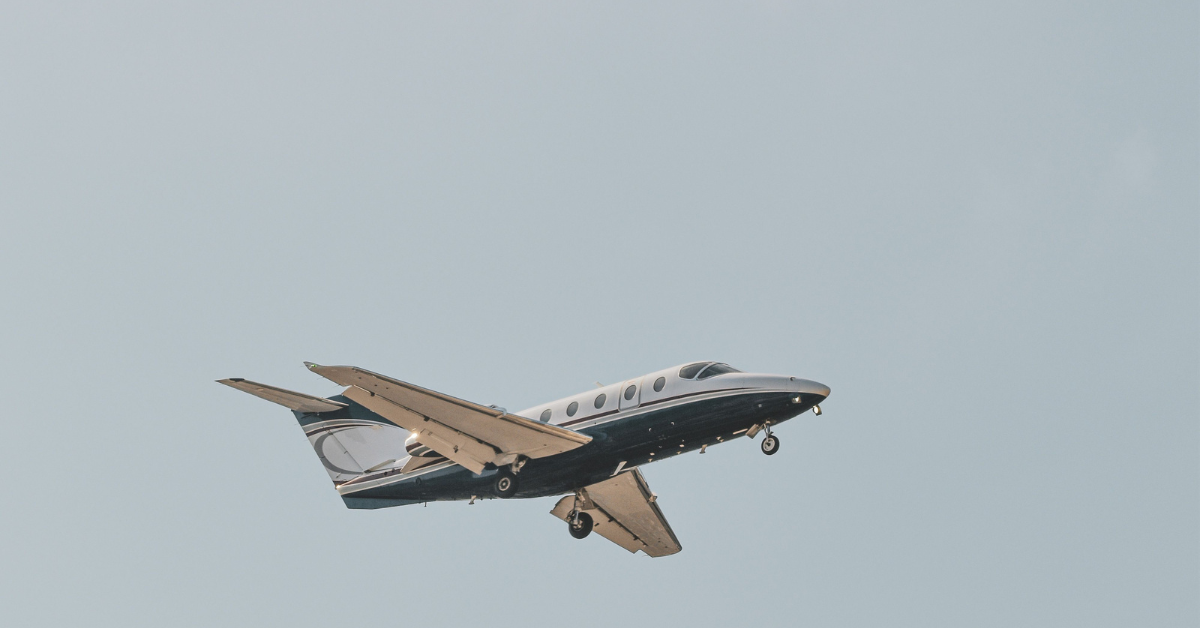
Traffic flows in July followed typical peak summer dynamics. High-frequency routes connected major business centres with Mediterranean destinations, while regional connections remained active across secondary airports.
The network maintained both density and geographic coverage, supporting a wide range of operational requirements.
Business aviation activity remained primarily intra-European. The strongest flows connected France, Switzerland, Italy, Germany, the United Kingdom and Türkiye.
Intercontinental operations remained present but did not materially change the overall structure of the network.
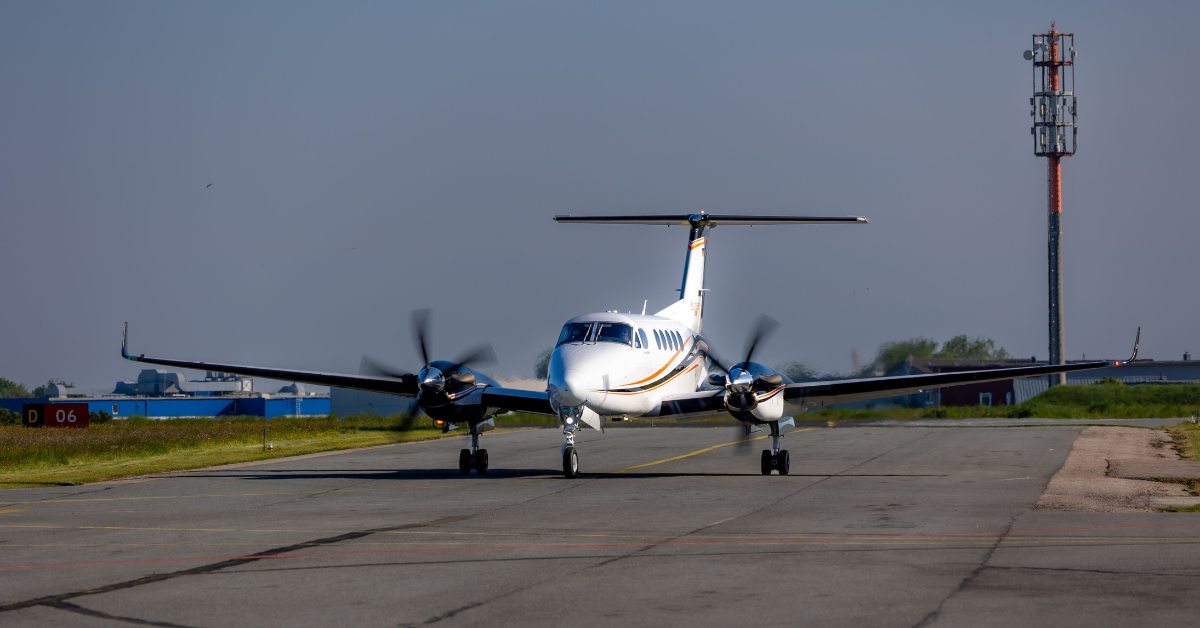
Fleet utilisation increased during July. Light jets and midsize aircraft supported the majority of short- and mid-range operations, while larger aircraft remained active on longer-range missions.
The overall fleet mix remained stable, with performance driven by higher usage rather than structural changes.
The Cessna Citation CJ4 is a well-established aircraft within the light jet segment, known for its balance of range, speed and operating efficiency.
A total of 344 aircraft have been produced, with 339 currently active, indicating strong ongoing utilisation.
Aircraft availability remains limited. Current listings show pricing typically in the range of $6M to $9M, depending on year, total time and configuration. Lower-time and well-maintained units continue to attract the strongest demand.
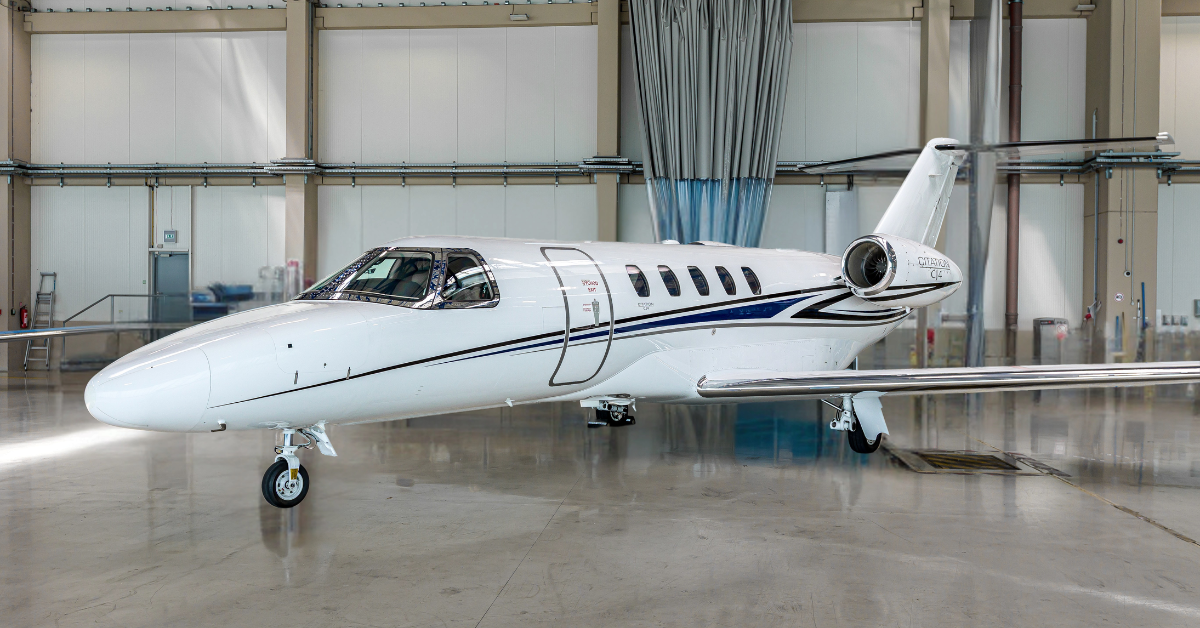
The CJ4 remains a practical choice for European operations, particularly in high-frequency environments requiring efficient short- to mid-range performance.
If you are considering acquiring or selling a CJ4, our team at Jetron would be happy to assist.
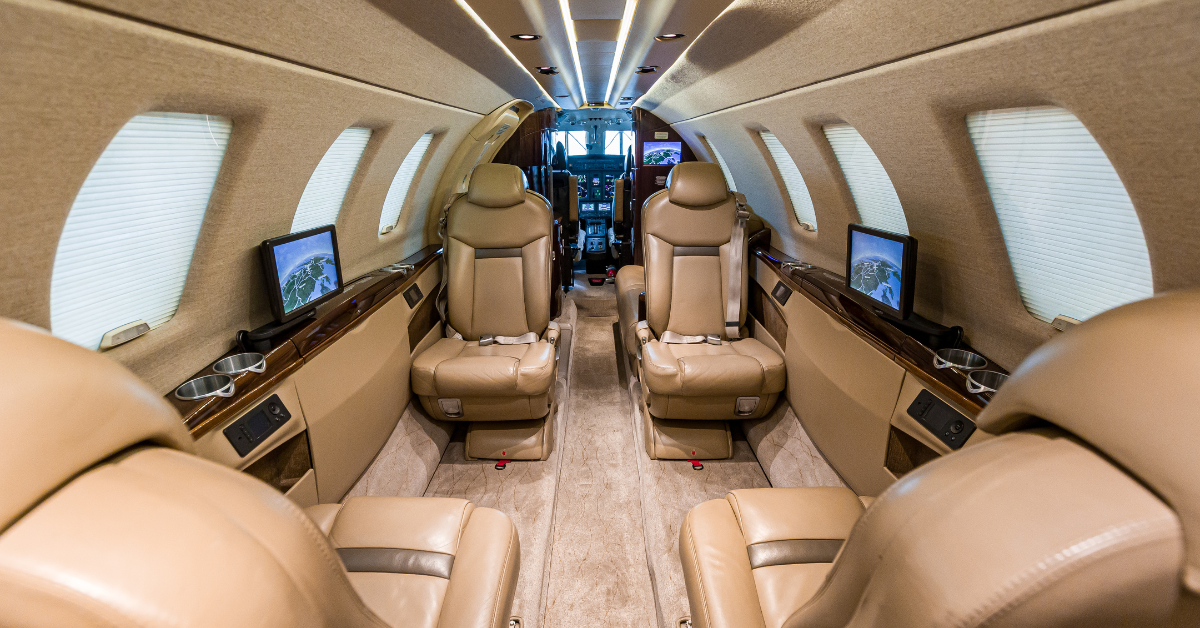
July confirmed strong seasonal demand supported by efficient fleet utilisation and stable network structure.
The European business aviation market continues to demonstrate resilience and consistency, with performance driven by established connectivity and balanced fleet usage, reinforcing a stable outlook as the industry moves into the second half of the year.

The market recorded 81,675 arrivals across 1,360 active airports, involving 5,614 aircraft and 33,536 unique airport pairs.
JETRON has once again closed a transaction involving a large-cabin business jet.
August marked a step down from July’s peak activity





_white.png)